
Practical writing on ERP readiness, implementation, support, training, governance, testing, data migration, recovery, and Artificial Intelligence (AI).
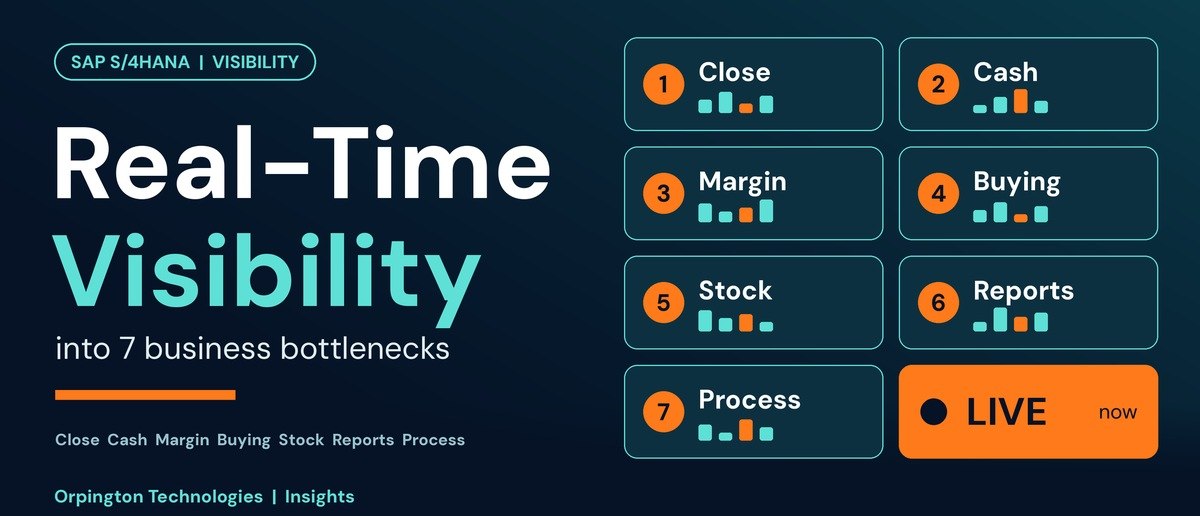
SAP S/4HANA keeps finance, supply chain and reporting on one set of live data. That lets you see where work is getting stuck and act on today’s numbers, not last month’s.
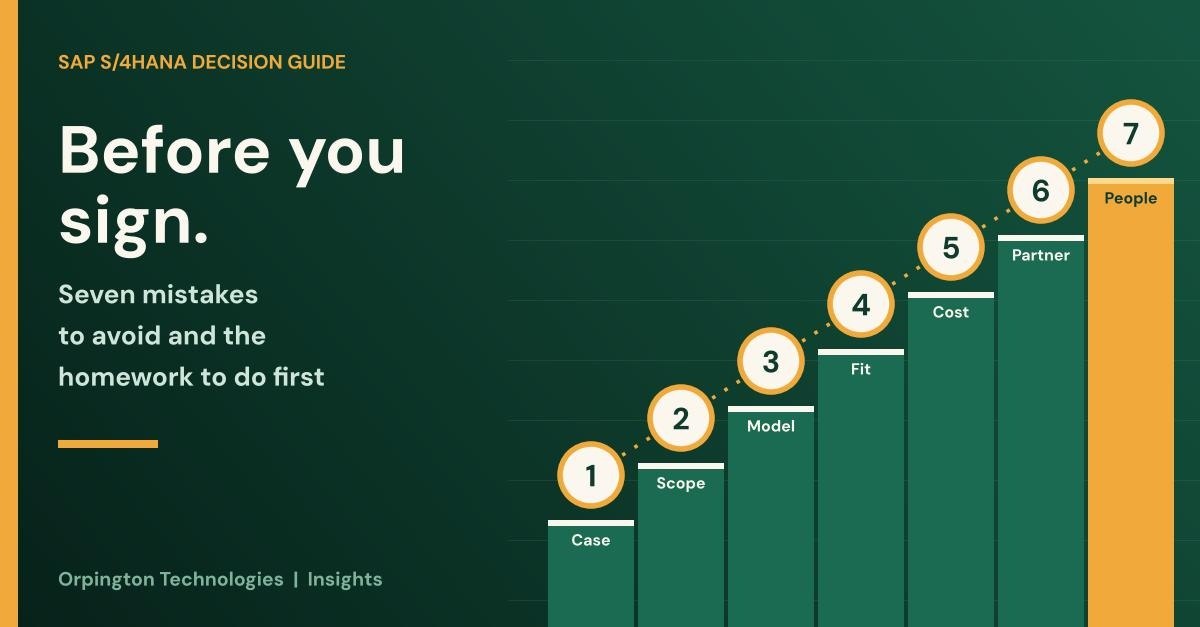
Most ERP projects are won or lost before the contract is signed. Seven decision mistakes recur, and each has homework that costs little now and a great deal more later.
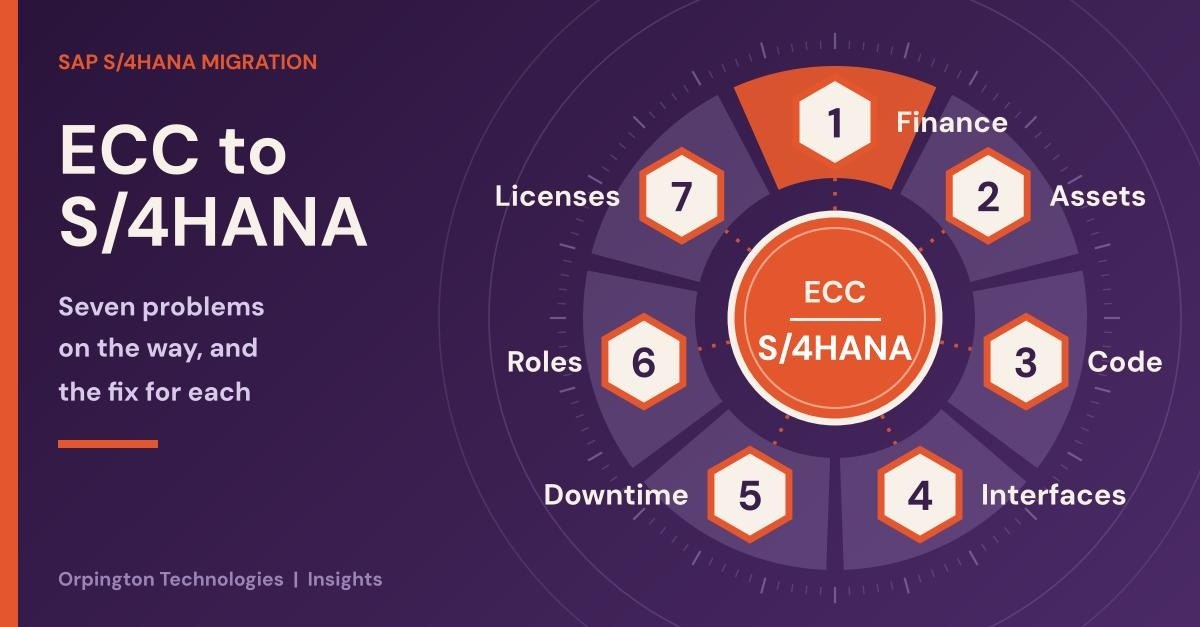
Mainstream maintenance for SAP ERP 6.0 ends at the close of 2027, so most organizations still running ECC now have a fixed horizon for moving to S/4HANA. This article sets out seven problems that conversions meet again and again, and the practical fix for each, drawing on SAP’s own guidance, practitioner write-ups and the latest Precisely and Americas’ SAP Users’ Group research.
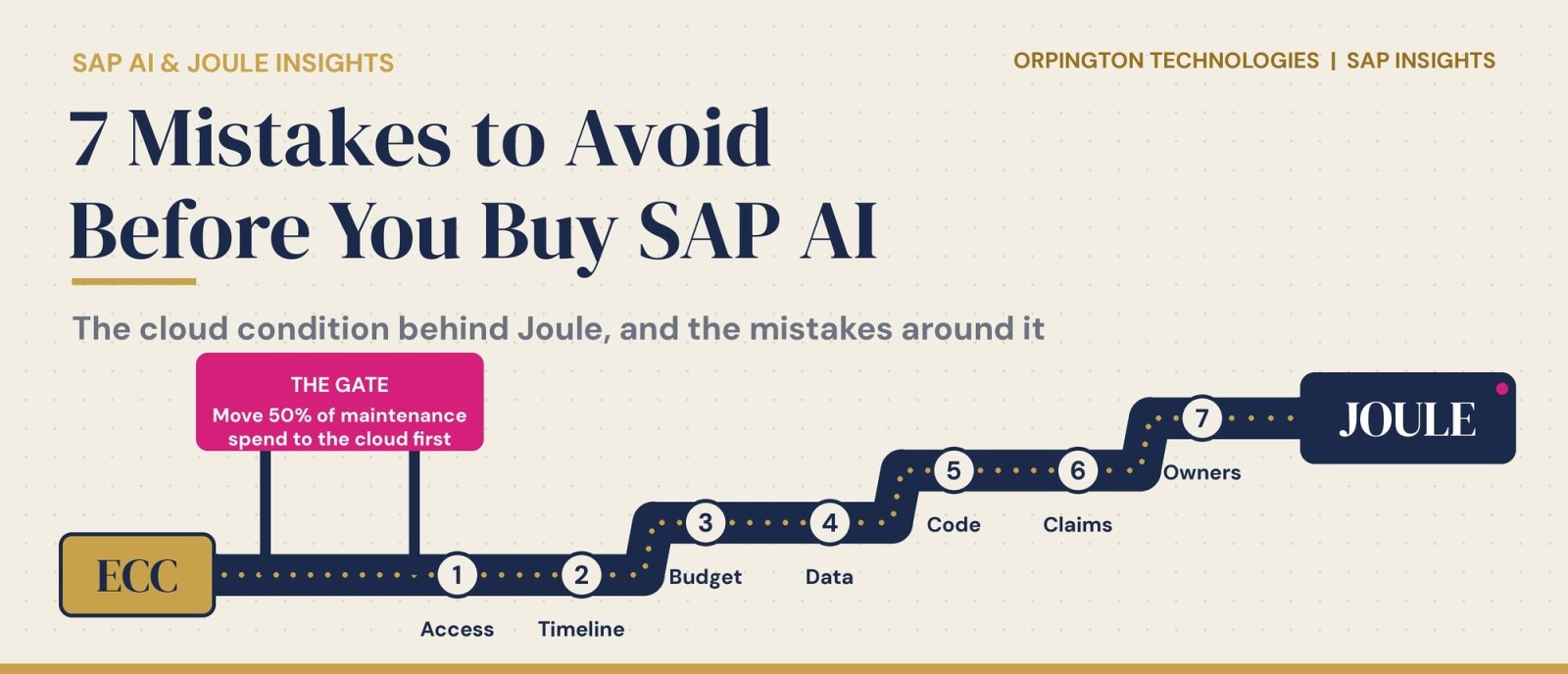
SAP Joule has grown from a 2023 generative AI copilot into a family of assistants, AI agents, a workspace (Joule Work) and an agent builder (Joule Studio), and it is designed for the cloud.

SAP is building what it calls an autonomous enterprise. Joule, AI agents and a new AI platform are changing how SAP is bought, run and staffed. Some of it is real today, some of it is still a promise, and all of it calls for a plan.
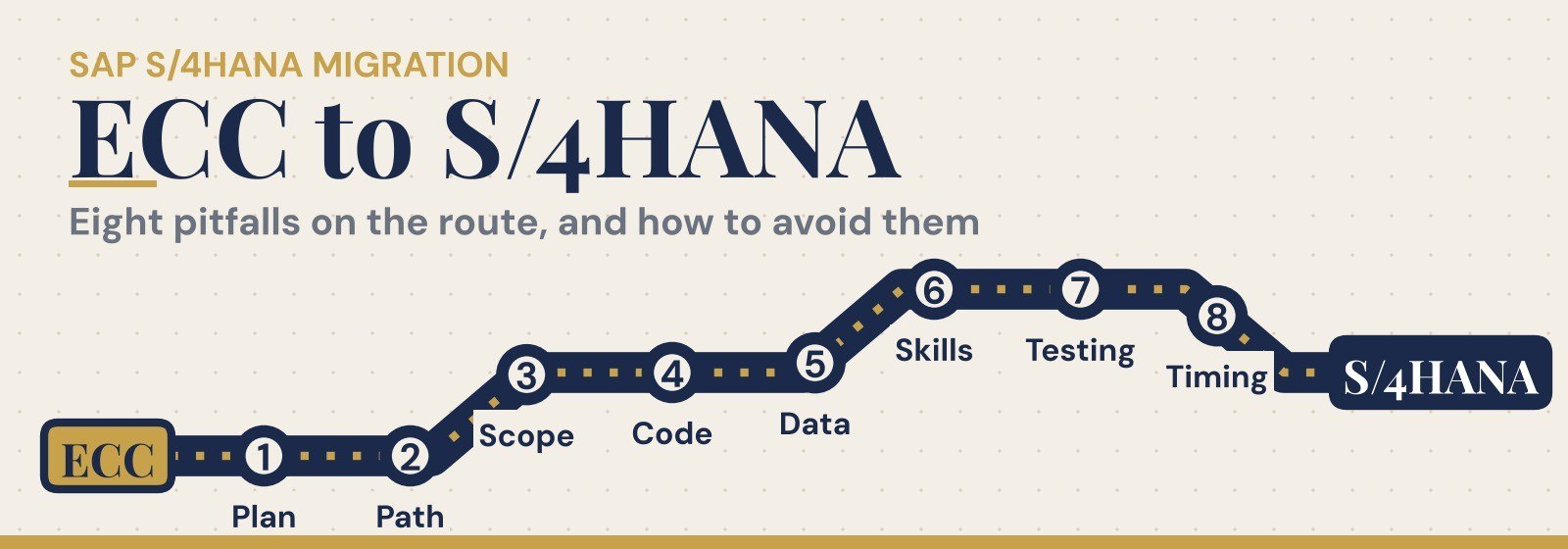
SAP has committed to mainstream maintenance for Business Suite 7 core applications, the family that includes the SAP ERP Central Component, known as ECC, through the end of 2027. The clock is tighter than it looks and the process is full of pitfalls. Here is how to avoid the pitfalls.
An SAP conversion asks for different skills at every stage. A permanent team sized for the busiest stage pays for expertise it uses for weeks.
Business Suite 7 has a deadline, S/4HANA a release cadence and Business One a maintenance window. All three need hands after the project ends.
E-Business Suite has a support runway to at least 2036 and Fusion Cloud ERP changes four times a year. Both need people who stay after go-live.